
Science
10 stories in this section · live from GNews.
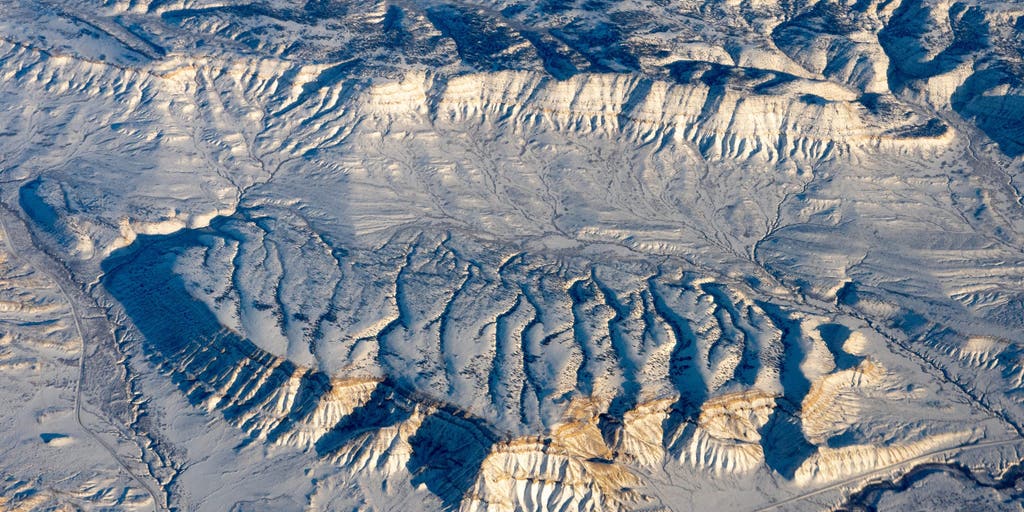
‘Chunkiest’ belemnite fossil ever found in Wyoming
Scientists have identified a new species of ancient, squid-like belemnite from Wyoming after discovering the thickest fossilized rostra ever recorded.

Surprising job could be secret to longer life: new study
A new study shows that one profession, one that certainly does not shy away from long hours and high stress, could actually help folks live a longer life.

Astronomers Found Something They Thought Couldn't Exist: A Green Star
Astronomers had never before convincingly identified a green star.
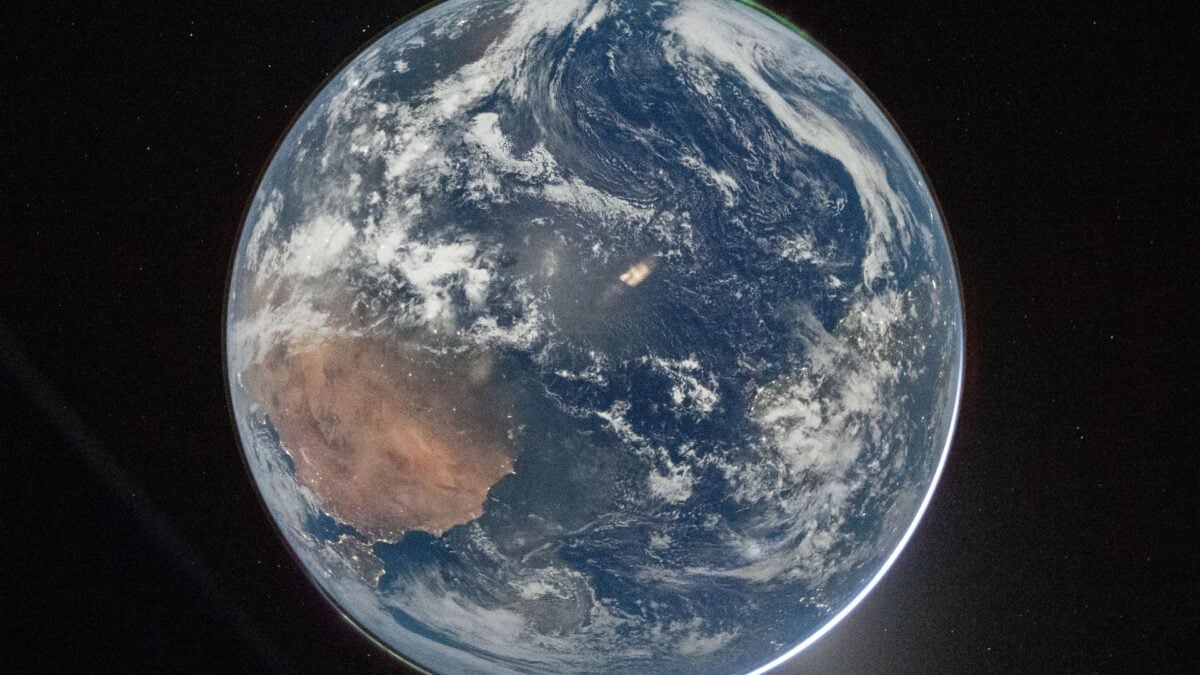
Earth Is Getting Rounder-and You Can Guess Why
New research finds that melting ice caps are literally reshaping the planet.

Viral wildlife video captures coyote launching itself into the air to snatch a pear off a tree
A coyote video is going viral after wildlife footage captured a jumping coyote launching itself into the air to snatch a pear off a tree.

Scientists Develop a Remarkable New Coating for the Powerhouses of Our Cells
Scientists have given the tiny powerhouses of our cells a remarkable high-tech makeover that preserves their energy production and could pave the way for future treatments.

Earth and Mars May Have Formed in Weirdly Different Ways
Chemical clues and computer simulations suggest the two rocky planets have unique origin stories.
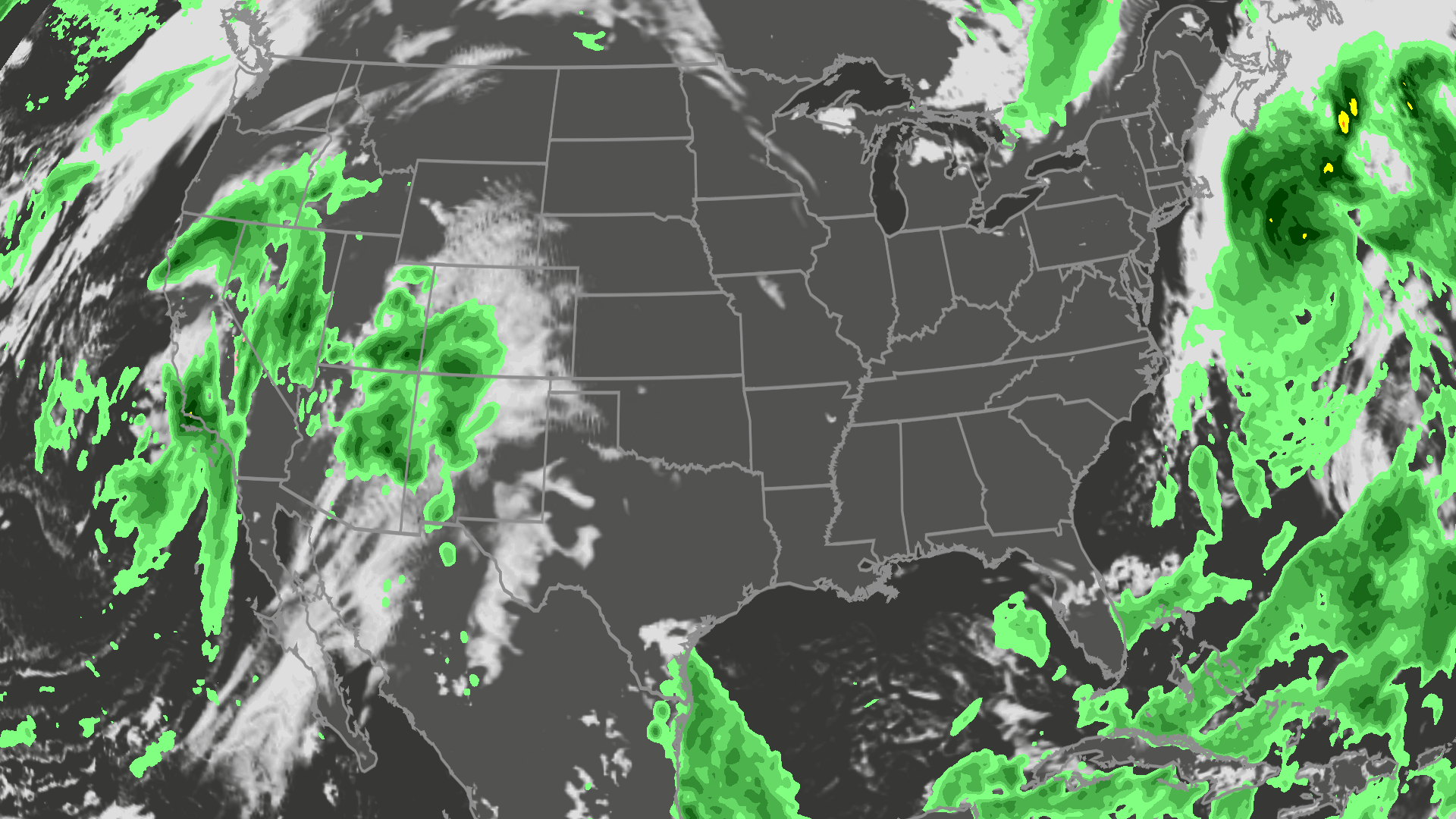
cloud cover forecast by region
The best night to see the Orionids is Wednesday into Thursday, but could the weather get in your way? Here is the forecast.

Peak viewing for the Orionid meteor showers and for fall foliage across parts of CNY
Get specifics about how to find the peak viewing for the Orionid meteor shower and fall foliage across Upstate New York here!
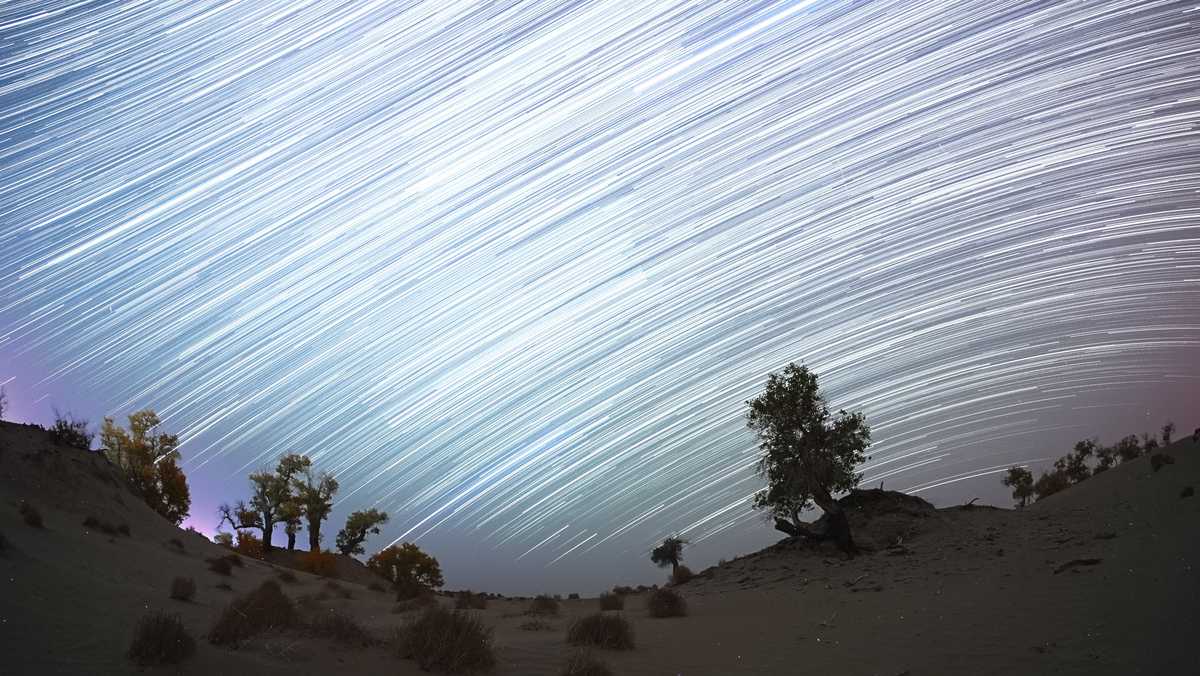
Orionid meteor shower peaks tonight - Here's how to see it
Tonight, you have a chance to see the second meteor shower of the month.